Allergy season in Lexington brings more than itchy eyes and sneezes. It exposes weak links in a home's cooling system that let pollen, dust, and mold spores circulate every time the air conditioner runs. For someone who responds strongly to airborne allergens, AC repair is not just about cooling, it is about restoring indoor air that does not aggravate the respiratory system. If you search for AC repair in Lexington MA, you want technicians who understand allergen pathways, can make targeted repairs, and recommend changes that reduce triggers at the source.
I’ve worked alongside HVAC technicians on dozens of jobs where a single fix transformed a household: removing a sagging section of ducting that pooled moisture, replacing a torn filter frame, or calibrating a thermostat so the system actually dehumidified. Those changes reduced symptoms in measurable ways. This article condenses practical steps, what to demand from a contractor, realistic cost expectations, and trade-offs you will face when prioritizing cleaner air over lowest-first-cost repairs. Green Energy AC Heating & Plumbing Repair and similar local firms can handle many of these tasks, but knowing what to ask makes their work more effective.
Why focusing on AC repair matters for allergy sufferers Allergens enter living spaces through windows and doors and arrive on clothing, pets, and groceries. Once inside, the HVAC system either traps and removes those particles or distributes them. Simple mechanical failures shift the balance toward distribution. A clogged evaporator coil reduces airflow and encourages microbial growth. Leaky duct seams let dusty, unconditioned air from attics and crawlspaces mix with conditioned air. A misaligned return grill bypasses the filter entirely. Each of these faults increases airborne particle counts and exposure.
Repairing an AC to improve allergy outcomes is different from repairing solely to restore cooling. The priority moves from "does it blow cold air" to "does it move only clean, properly dehumidified air." That change in mission affects parts, methods, and the timeline. It also affects budget. Expect repairs that target air quality to cost more up front but save health-related costs and missed work over the long run.
Common AC problems that worsen allergies Evaporator coil contamination. When coils get dusty or slimy, they lose heat transfer efficiency and foster mold. A coil that receives regular cleaning will maintain airflow and avoid becoming an allergen source. Cleaning techniques matter; gentle coil brushing and proper condensate pan treatment reduce chemical use while removing biofilm.
Dirty or undersized filters. Filters are the frontline defense. Many homes use cheap fiberglass filters that trap only the largest particles. Allergy sufferers benefit from pleated filters rated MERV 8 to MERV 13, depending on the equipment and system design. Higher MERV ratings capture smaller particles but can increase pressure drop, which sometimes requires an upgrade to the blower motor or a return air redesign.
Duct leaks and contamination. A typical older home in Lexington can lose 20 percent or more of conditioned air to unsealed ducts. Those leaks admit dust, insulation fibers, rodent dander, and pollen into the supply stream. Duct sections that traverse attics or crawlspaces also accumulate grime that gets blown into rooms during system start-ups. Proper sealing and targeted cleaning reduce that load.
Improper humidity control. Dust mites and many molds thrive when relative humidity exceeds about 55 percent. An air conditioner that cycles too quickly or is oversized for the home will not dehumidify effectively. AC repair often needs to include load assessment, refrigerant charge checks, and sometimes resizing or equipment changes to restore meaningful moisture control. A well-sized system can lower summer humidity into the 40 to 50 percent range in Lexington’s climate, which reduces allergen proliferation.
Bypass of filtration. Sometimes the return pathway bypasses the filter because of poor layout or missing filter racks. That means particles never reach the filter. Repair can involve installing a proper filter grille, relocating the return, or adding a secondary filtration stage inside a cabinet or at the air handler.
Practical repairs and upgrades that matter most Target components that control airflow and cleanliness, not just temperature. Typical interventions include coil cleaning and disinfecting, replacing poorly fitted filters with pleated high-MERV filters, sealing duct joints with mastic or foil tape, installing a properly sized whole-house dehumidifier or a variable-speed AC system, and, when appropriate, adding supplemental filtration such as a HEPA-grade portable filter for the bedroom. When discussing these options with an AC repair company like Green Energy AC Heating & Plumbing Repair, ask for specifics: what products they use on coils, whether they use EPA-registered disinfectants, and how they test airflow after changes.
Here are four practical daily and seasonal habits that magnify the effect of repairs.
- Replace pleated filters every three months, or every six weeks during heavy pollen season, and ensure the filter frame seals at the air handler. Keep vents and return grilles clean of dust and clutter so airflow is consistent across the system. Close windows during peak pollen hours, usually mid-afternoon and early evening in spring and fall, and use the AC to circulate filtered air instead. Run the fan on low intermittently to keep air moving through the filter without cycling the compressor excessively.
When to call for professional AC repair in Lexington MA If you notice persistent allergy symptoms that worsen when the AC runs, call a professional. Other red flags include visible mold at vents, a musty smell when the system runs, uneven cooling coupled with high indoor humidity, water stains near the air handler, and sudden increases in dust levels. Many homeowners wait until the system fails to cool. For allergy control, proactive inspection in the spring before heavy pollen arrives is far more effective.
What to expect from a competent technician A thorough technician will do more than change a filter. Expect an assessment that includes the following: visual inspection of the evaporator coil and condensate pan, measurement of static pressure across the filter, evaluation of return and supply airflow balance, refrigerant charge verification, and checks for duct leakage in accessible regions. They should also look for biological growth and be prepared to document conditions with photos. If they recommend duct sealing, ask whether they will use mastic or foil tape on seams and whether they will re-insulate any uninsulated external ducts.
Questions to ask before you hire Green Energy AC Heating & Plumbing Repair or any local company
- Do you perform static pressure testing and measure airflow after filter upgrades or blower changes? What MERV rating do you recommend for my specific system, and will that increase blower run time or require motor work? How do you clean evaporator coils and condensate pans, and do you use EPA-registered products if disinfectants are needed? Will you inspect and seal ducts accessible in the attic or basement, and do you offer a duct leakage test? Can you provide references from allergy-sensitive customers and documentation of the repairs you perform?
These questions force the technician to explain methods and trade-offs. For example, if they recommend a MERV 13 filter for a fifty-year-old furnace blower, the right answer might be to install a MERV 8 pleated filter now and plan a motor upgrade later. That staged approach controls costs while improving filtration.
Realistic cost and timeline expectations Simple tasks, like replacing a torn filter rack or installing a better pleated filter, often cost under $200 including parts and labor. Coil cleaning and condensate pan treatment typically run $150 to $400 depending on access difficulty. Duct sealing in accessible areas could be $300 to $1,200 based on the length and condition of the ducts; accessing buried or hard-to-reach ducts raises costs. Whole-house air cleaners and higher-efficiency filtration systems cost between $400 and $2,000 depending on technology and whether the solution requires blower or cabinet changes. Installing a whole-house dehumidifier typically ranges from $1,500 to $3,500.
If a technician proposes replacing the entire air handler or installing variable-speed equipment, plan for multi-thousand-dollar bids. Those upgrades often provide best long-term outcomes for allergy control because they pair better filtration with improved dehumidification and gentler airflow, reducing particle re-entrainment.
Balancing trade-offs: efficiency, noise, and filtration Higher-efficiency filtration reduces airborne particles but increases resistance to airflow. That can reduce system efficiency and raise energy costs slightly if the blower works harder, or it can cause early cycling if the system’s static pressure goes up and the thermostat misreads space conditions. In some cases, the right fix https://andyqlbl692.almoheet-travel.com/how-to-improve-thermostat-accuracy-to-reduce-ac-repair-in-lexington-ma is a variable-speed blower that compensates for higher filter resistance. Another trade-off is noise. Some high-efficiency media filters and whole-house electrostatic systems generate additional fan noise or require modifications that change how the system sounds. Discuss these trade-offs with your contractor so expectations match outcomes.
Duct cleaning: when it helps and when it does not Duct cleaning has a polarizing reputation. It helps when there is visible contamination, pest infestation, or significant construction dust. If ducts are leaking and the source of dust is from attics or crawlspaces, sealing plus duct cleaning makes sense. However, routine duct cleaning in a system that otherwise has good filtration and sealed returns is unlikely to produce measurable benefits. A technician who recommends duct cleaning should show you photos of dirty ducts, explain how they clean (brush, vacuum, or agitation techniques), and describe containment methods to prevent cross-contamination to the home.
After repair: monitoring outcomes After any repair, monitor symptoms and measurable conditions. Keep a baseline of symptoms and any triggers. Use a hygrometer to track indoor relative humidity, aiming for 40 to 50 percent during summer. Consider a simple particle counter or an indoor air quality monitor that reports PM2.5, pollen proxy levels, and VOCs. These devices are not perfect, but they show trends that correlate with symptom changes after repairs. If symptoms do not improve within two to four weeks, schedule a follow-up inspection. Often a secondary issue like a misaligned return grille or a dirty secondary coil is the remaining problem.
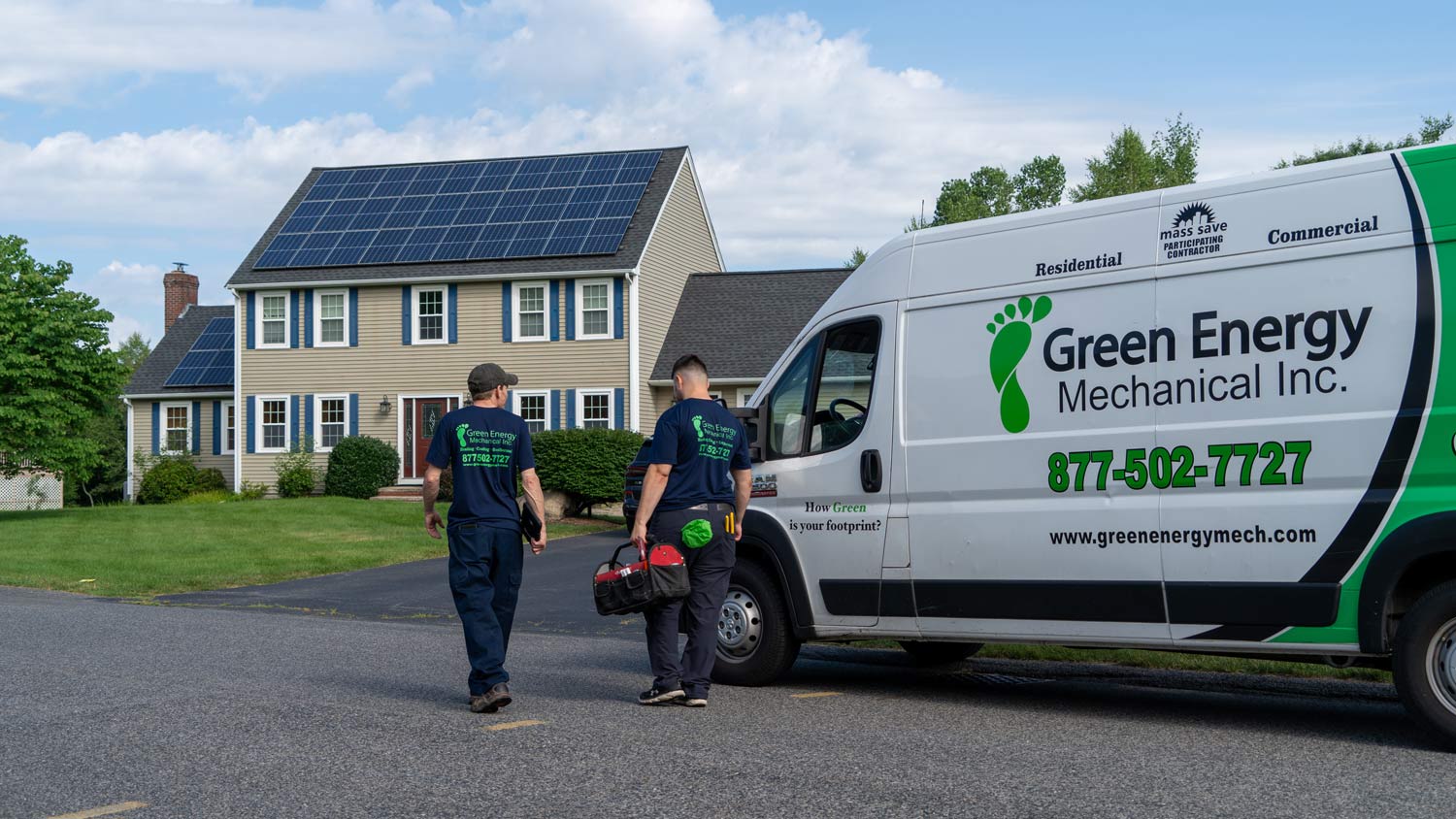
Case study: a two-week turnaround that cut symptoms in half A household I consulted with had family members reacting severely every spring despite using nose filters and antihistamines. The technician from Green Energy AC Heating & Plumbing Repair found a collapsed section of flex duct in the basement, a dirty evaporator coil, and a missing filter drawer frame at the air handler that allowed unfiltered air to bypass. Repair steps included replacing the flex duct, cleaning the coil and condensate pan, installing a sealed filter rack and a MERV 11 pleated filter, and sealing two major duct seams. Cost was under $1,200 and measurable benefits were immediate. The family reported roughly a 50 percent reduction in sneezing and eye irritation within two weeks, and indoor humidity fell by three percentage points because airflow improved.

When to consider stronger interventions If allergy symptoms persist despite targeted repairs, consider adding a dedicated whole-house air cleaner with HEPA-level filtration or a UV-C light over the coil to reduce microbial growth. UV-C can reduce coil biofilm, but it does not remove particles, so pair it with filtration enhancements. Whole-house HEPA systems often require a bypass or a dedicated cabinet with its own fan, which adds to cost and complexity. Portable HEPA units in bedrooms and living areas are an inexpensive adjunct if whole-house solutions exceed budget.
Choosing the right contractor in Lexington Not every company will prioritize allergy outcomes. Look for technicians who document static pressures, airflow in cubic feet per minute when needed, and who can explain the trade-offs between filter efficiency, blower performance, and humidity control. Green Energy AC Heating & Plumbing Repair is one local option that advertises service in the Lexington area, but compare estimates and get commitments in writing. A clear service agreement should list the work to be done, parts and brands, expected outcomes, and a warranty. For allergy-focused repairs, ask for references from customers with similar concerns.
Final practical checklist before you hire
- Confirm the technician will inspect coils, condensate pans, filter racks, and accessible ducts and provide before-and-after photos if requested. Ask for measured outcomes when they replace filters or change blower components, such as static pressure readings or humidity improvement targets. Get a written plan and warranty for work on ducts and any added equipment like dehumidifiers or whole-house filters. Plan staged improvements if cost is a concern, prioritizing sealing leaks and coil cleaning before adding high-cost equipment.
Making your home work for you AC repair in Lexington MA for allergy sufferers requires a mindset that treats the HVAC system as part of the home’s environmental control, not just a cooling box. Practical repairs focused on filtration, sealing, coil cleanliness, and humidity control produce reliable, measurable benefits. Work with a technician who measures, documents, and explains trade-offs. Whether you hire Green Energy AC Heating & Plumbing Repair or another local contractor, go in armed with questions, test outcomes, and a sense of what improved indoor air should feel like: less congestion, fewer nighttime awakenings, and a home that keeps the outdoors where it belongs.
Green Energy AC Heating & Plumbing Repair
76 Bedford St STE 12, Lexington, MA 02420
+1 (781) 896-7092
[email protected]
Website: https://greenenergymech.com